
F-Mines strategy starts with simple round reading, not random clicks or loud promises about fast wins. This article is written for members and players at SS777, helping them understand mine choices, round flow, and clean betting goals.
F-Mines strategy summary for safer round reading
A mines round looks simple, yet every tile carries pressure after the first reveal. Members need a clear view of grid size, mine count, and possible cashout points. F-Mines strategy gives that view without turning each click into a blind guess.
On SS777, the screen usually shows covered tiles, selected mines, and a growing payout. Players choose one hidden spot, then decide whether another move still makes sense. Small PHP or USD stakes keep the focus on reading the board, not chasing noise.
The main idea is to connect each decision with the current round state. A low mine count supports slower play, while heavier settings demand faster exits. Good notes from past rounds can make future choices clearer and less rushed.
How mines rounds function with clear table rules
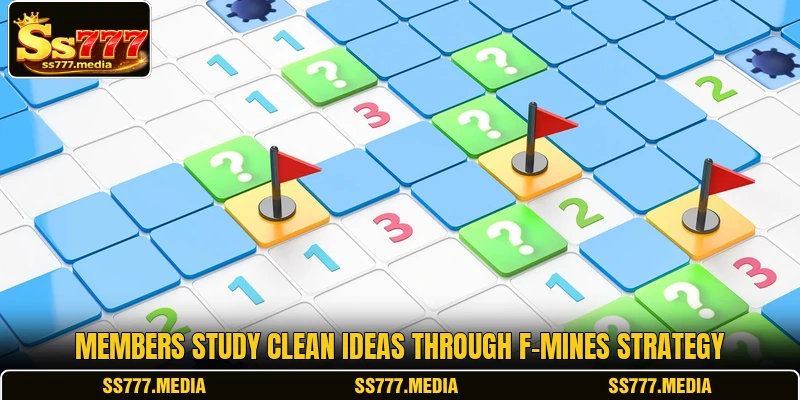
F-Mines strategy fits best when members understand what changes after each revealed tile. The table may look fixed, but payout movement and hidden danger both change every choice.
Mine count and grid choice
Mine count sets the level of danger before any tile is opened. A lower number gives players more room to read early movement. A higher number makes even one extra click feel much heavier.
Grid choice also affects how members understand space across the round. Wide boards can create more paths, yet they still hide the same danger. Smaller layouts feel tighter because every opened tile changes the picture quickly.
Players should read the selected setting before the first click begins. The opening choice matters because later payout growth depends on avoided mines. Clear settings help members compare rounds without mixing different table conditions.
F-Mines strategy pick logic
A good first pick avoids emotional reasons such as favorite corners or lucky rows. Members can choose a starting area, then judge the board after one reveal. The next decision should depend on payout change, not old habits.
Some players spread picks across different areas to avoid crowding one zone. Others prefer a short path because it is easier to review afterward. Either style needs records, since memory alone can twist recent results.
The aim is not to predict hidden mines with perfect accuracy. A mine game always keeps unknown spots until the round ends. Pick logic simply gives players a repeatable way to compare choices.
Cashout timing in live rounds
Cashout timing shapes the whole round after the first safe tile. F-Mines strategy treats a cashout as part of planning, not a weak exit. Members can decide target ranges before the board becomes stressful.
A small target may fit higher mine counts because danger rises quickly. A larger target may fit safer settings, though risk still remains. Players should link timing to the table setup rather than follow every win story.
The best moment is often the point where one more click changes pressure sharply. Waiting too long can turn a clear round into a rushed call. Ending early can still make sense when the payout matches the chosen plan.
Result review after round end
A finished round gives useful clues even when the result feels annoying. Players can note mine count, first pick area, safe tiles, and cashout point. These details show whether choices followed a plan or changed too often.
F-Mines strategy improves when members review losing and winning rounds with equal care. Only saving wins creates a false picture of how the table feels. Balanced notes help players see patterns in their own actions.
Review should stay short, clear, and tied to facts from the board. Long stories after every loss can make simple lessons harder to see. A few accurate lines often help more than a full page.
Useful play methods throughout tense mine rounds
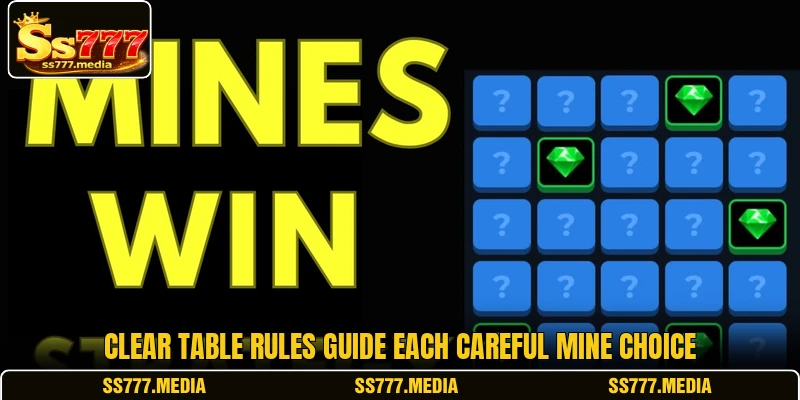
F-Mines strategy becomes stronger when methods stay simple during fast rounds. Members need steps that fit real tables, modest PHP/USD stakes, and changing payout levels.
Small stake ladder approach
A small stake ladder gives players a stable starting structure. F-Mines strategy can use fixed levels, such as PHP 20, PHP 40, and PHP 60. The point is clear testing, not forcing bigger wagers after one result.
Members may keep the same tile path while changing only the stake. That makes round comparison easier because fewer factors change at once. If both path and stake change together, notes become harder to read.
A ladder should remain short enough to follow without confusion. Three levels often give enough information for ordinary mines sessions. Players can restart the ladder when settings change, since fresh conditions need fresh records.
Pattern notes beyond blind copying
Pattern notes can help members remember what happened across several rounds. They should describe board behavior, not promise that one route always works. A note like center start, two safe tiles, then exit stays simple.
Copying another player can create problems because settings may differ. Mine count, grid size, and payout target change the meaning of every move. Players need their own records before trusting any repeated path.
Good notes also include failed rounds, since losses show pressure points clearly. Members can mark where the plan changed and why it changed. That record supports cleaner choices during the next tense table.
Room selection and pace
Room selection matters because pace changes how members handle decisions. A slower room gives more time to read payout movement between clicks. A faster table may suit players who already know their chosen method.
F-Mines strategy works better when players avoid switching rooms after every result. Frequent movement makes it harder to compare mine counts, tile paths, and exits. Staying with one format for several rounds can make notes clearer.
Pace should match the member’s ability to read the screen calmly. If the board feels too quick, missed details become more common. A steadier room can support better review after each completed round.
Conclusion
F-Mines strategy gives members a clear way to read mine count, tile choice, payout change, and exit timing. The focus stays on the keyword while SS777 offers a place where players can test simple round notes. Register, download the app, or enter the game when ready, and may each round bring better choices.